
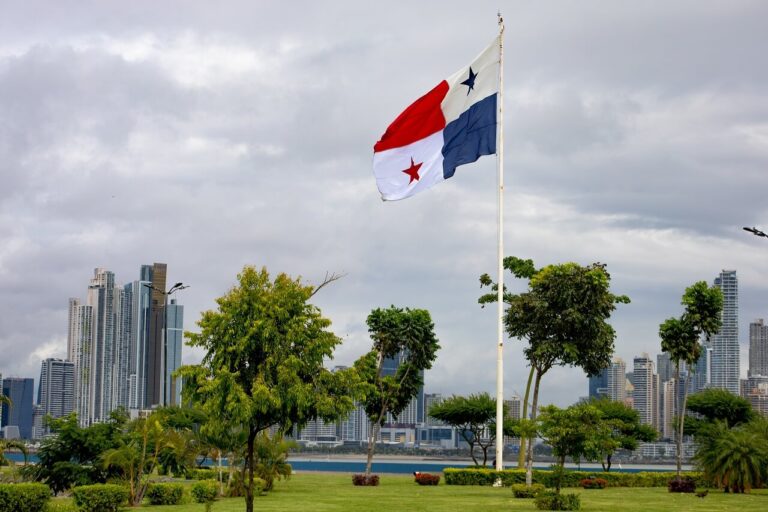
Traveling in Panama feels different from anywhere else because the country changes character faster than your expectations can keep up. In one trip, you can move from a glossy capital skyline to a sleepy Caribbean port, from Indigenous island communities to cool mountain air, from surf towns to wildlife-rich coastlines.
The contrast is not just scenic. It is cultural, historical, and emotional. Panama does not feel like one destination with a few day trips attached. It feels like several distinct worlds packed into one narrow stretch of land. That is what makes it so memorable. Instead of offering one clear travel identity, Panama keeps revealing another version of itself, and each one feels fully formed rather than staged for visitors.
Why Panama feels different from anywhere else
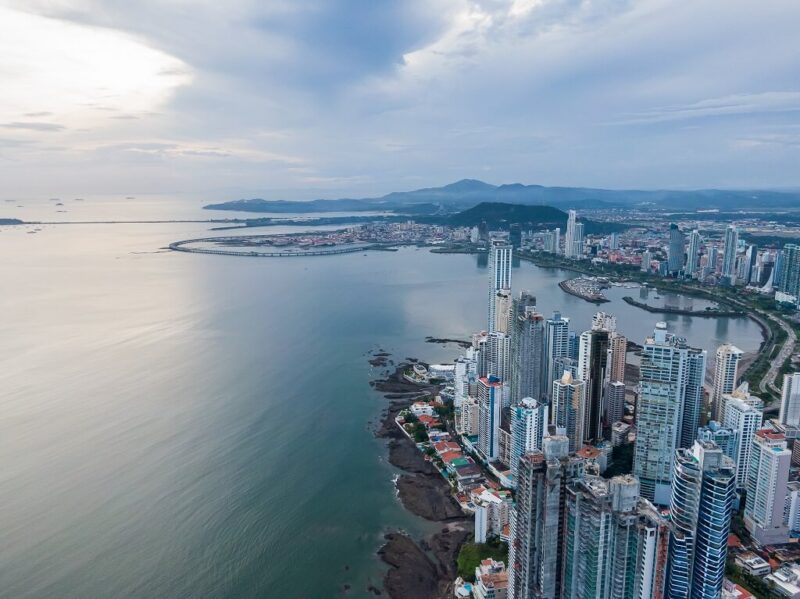
Panama feels different because it compresses multiple travel experiences into one small country without blending them into something generic. Within a short distance, the setting, pace, and atmosphere shift completely. You can cross from the Pacific to the Caribbean in a matter of hours, but it does not feel like a gradual transition. It feels like stepping into a different place entirely.
That difference goes beyond landscapes. Panama City functions as a global hub with a modern skyline and international energy, while places like Portobelo carry deep Afro-Caribbean heritage shaped by centuries of history. In Guna Yala, Indigenous communities govern their own territory and maintain traditions that shape everyday life. In the highlands, the climate cools, the rhythm slows, and the environment feels closer to Central American interior regions than the tropics.
What sets Panama apart is that these contrasts do not feel curated for tourism. They exist independently, with their own identities, and you move between them quickly. Instead of adapting to one version of the country, you keep adjusting to new ones. That constant shift is what makes traveling in Panama feel unlike anywhere else.
The country changes faster than your expectations do
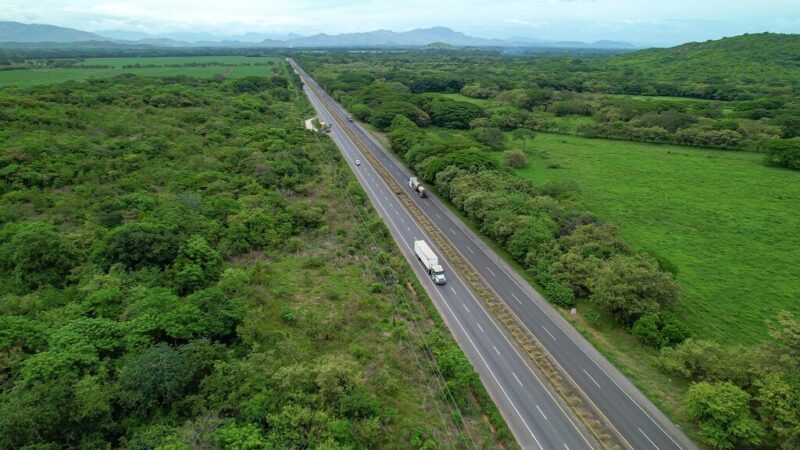
Panama looks small on a map, but traveling through it rarely feels simple or linear. Distances may be short, yet the experience of getting from one place to another shifts constantly. The route is rarely as direct as it appears, and each leg of the journey can feel like a different type of travel altogether.
This is largely due to geography and infrastructure:
- Highways connect major regions, but quickly give way to smaller, slower roads
- Mountain routes and rural areas add time and unpredictability to short distances
- Coastal and island destinations often require boat transfers rather than roads
- Protected landscapes and forest gaps mean routes are not always continuous
Because of this, moving through Panama is less about distance and more about adapting to changing conditions. You might drive for part of the day, then switch to a boat, then adjust your plans based on access or timing.
That unpredictability reinforces the feeling that Panama is not one continuous experience. Each region feels slightly disconnected from the last, not just physically but in pace and atmosphere. A short journey can carry you into a place that feels unrelated to where you started. That constant reset is part of what makes traveling here feel so distinct.
Panama is not one culture wearing different scenery
What makes Panama stand apart is that its differences are not just visual. The country does not present a single culture against changing backdrops. Each region carries its own identity, shaped by distinct histories and communities that still influence daily life.
This becomes clear as you move through the country:
- Portobelo and the Caribbean coast reflect strong Afro-Panamanian heritage, with traditions, food, and music rooted in the legacy of enslaved Africans and colonial trade routes.
- Guna Yala operates as an autonomous Indigenous territory, where the Guna people maintain their own governance, customs, and way of life, independent from mainstream Panama.
- Panama City feels outward-facing and global, shaped by its role as a financial and logistics hub with strong international influence.
- The highlands and interior regions offer a slower, more locally grounded rhythm, tied to agriculture, small communities, and cooler climates.
These are not surface-level differences designed for visitors. They are lived realities that shape how each place feels, how people interact, and how time moves. As a traveler, you are not just moving between landscapes. You are stepping into environments with their own logic and identity.
That is why Panama does not feel like a single destination. It feels like a collection of places that happen to share a border.
Panama balances rawness and comfort in a rare way
Another reason Panama feels different is how easily it moves between untamed environments and refined travel experiences without losing its identity. In many destinations, development tends to smooth out the edges. In Panama, both sides still exist, often within the same region.
You can spend a day navigating mangroves, swimming off remote islands, or eating simple, locally prepared food, then shift to a boutique hotel, a well-designed retreat, or a private coastal stay. The transition does not feel forced. It feels like two parallel versions of the same country.
This balance shows up in different ways:
- Remote areas remain accessible but not overbuilt, preserving a sense of discovery
- Local experiences still dominate outside major hubs, especially in smaller towns and coastal regions
- Newer luxury and wellness stays are emerging without replacing the existing character
- Travel styles overlap, allowing backpackers, road trippers, and higher-end travelers to share the same spaces
At the same time, Panama is not a place where everything is translated or tailored for visitors. In many regions, Spanish is essential for navigating transport, ordering food, and having meaningful conversations. Travelers who want a smoother experience, especially when planning ahead or handling more complex arrangements, sometimes rely on services like Elmura’s spanish translation services to bridge that gap.
What makes Panama stand out is not just that it offers both comfort and adventure, but that neither one cancels out the other. You do not have to choose between polished and raw. You experience both, often in the same trip.
What Panama offers that more polished destinations often lose
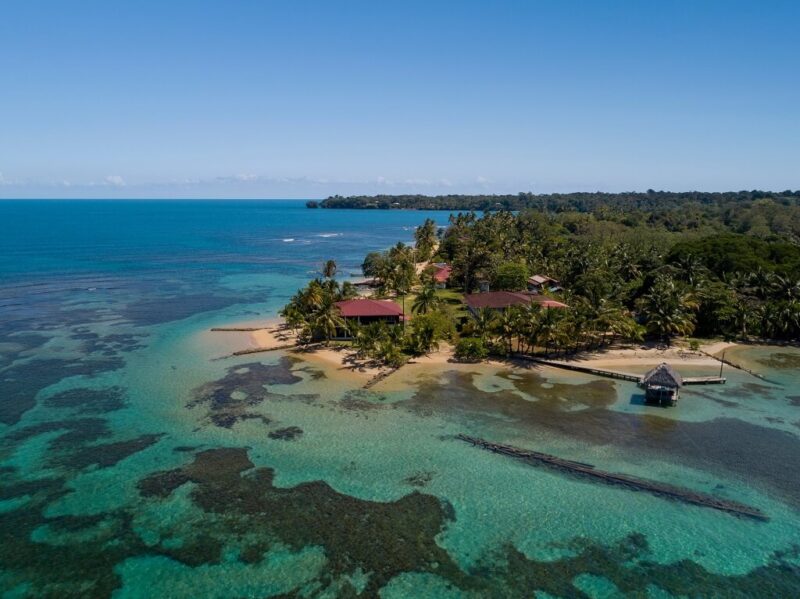
Panama feels different because it has not been fully smoothed out for tourism. While development is growing, much of the country still operates on its own terms. That creates a travel experience that feels less predictable and more grounded in local reality.
In many popular destinations, infrastructure and tourism reshape places to meet visitor expectations. In Panama, that process feels incomplete. Outside major hubs, daily life continues without being fully adjusted for outsiders. Restaurants follow local rhythms, transport does not always run on tight schedules, and not every experience is packaged in advance.
This shows up in small but important ways:
- Local businesses dominate many areas, rather than international chains
- Tourist infrastructure exists, but is not always streamlined, especially outside key destinations
- Experiences require a bit more effort, whether that means asking around, waiting, or adapting plans
- Crowds are more limited, even in places that feel exceptional
The result is a country that feels more open to discovery. You are not moving through a fixed itinerary designed for you. You are navigating a place that still has its own pace and priorities.
That is what many travelers remember most. Panama does not feel unfinished, but it does feel unfiltered.
Panama feels like movement, not just a destination
What stays with most travelers is not one place, but the constant shift between them. Panama does not settle into a single identity long enough for you to define it easily. Each region introduces a different pace, a different atmosphere, and a different way of experiencing the country.
You move quickly, but the changes feel complete. The capital is not an extension of the coast. The Caribbean does not resemble the Pacific. The islands, highlands, and interior regions all operate on their own terms. Yet together, they form a country that feels unusually layered for its size.
That is what makes Panama stand apart. It is not just diverse in the way many destinations claim to be. It is dynamic in a way that keeps resetting your expectations as you travel.
Instead of offering one clear version of itself, Panama keeps unfolding. And that sense of movement, more than any single highlight, is what makes it feel different from anywhere else.
More Than One Destination in a Single Trip
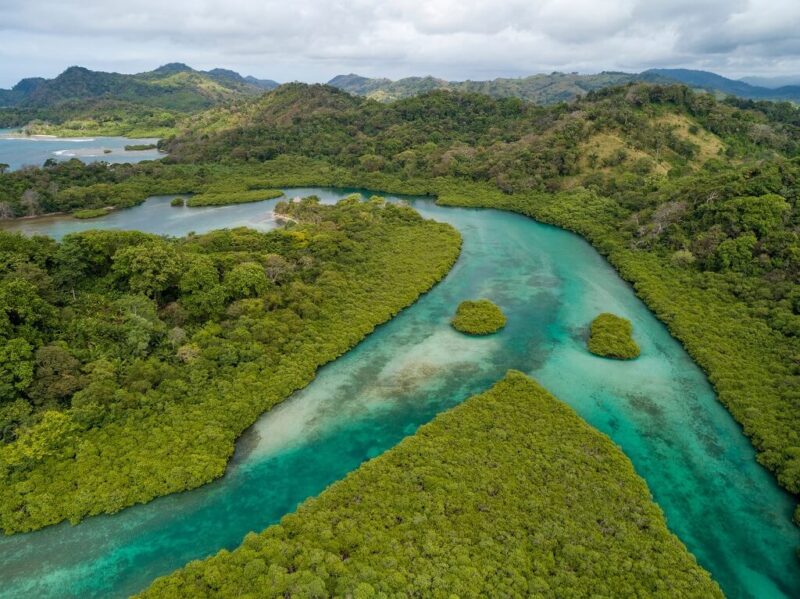
Panama feels different because it never settles into one version of itself. Each region shifts the pace, the culture, and the experience in a way that feels complete rather than transitional.
You are not just visiting a destination. You are moving through distinct worlds that happen to share the same map. That constant change is what makes the country stand out, and what makes the experience stay with you long after the trip ends.
Frequently Asked Questions
[su_spoiler title=”What not to bring to Panama?” open=”no” style=”fancy” icon=”arrow” anchor=”” anchor_in_url=”no” class=””]Avoid overpacking heavy clothing and unnecessary valuables. Panama’s climate is warm and humid in most regions, so thick layers are rarely needed. Expensive jewelry or flashy items can draw unwanted attention, especially in cities. Also skip hard-shell luggage if you plan to visit islands or remote areas, where boats and uneven roads are common.[/su_spoiler]
[su_spoiler title=”What is the best month to travel to Panama?” open=”no” style=”fancy” icon=”arrow” anchor=”” anchor_in_url=”no” class=””]The best time is typically January to March, when the Pacific side has dry, sunny weather. However, the Caribbean coast follows a different pattern and may experience rain during these months. If you are visiting both coasts, February is often the safest balance.[/su_spoiler]
[su_spoiler title=”What is the safest place in Panama?” open=”no” style=”fancy” icon=”arrow” anchor=”” anchor_in_url=”no” class=””]Areas like Panama City’s Casco Viejo, El Cangrejo, and Punta Pacifica, as well as smaller towns like Boquete and El Valle de Antón, are generally considered safe for travelers. Like anywhere, safety depends on awareness and location, but most tourist-friendly areas feel calm and manageable.[/su_spoiler]
[su_spoiler title=”Do I need malaria pills for Panama?” open=”no” style=”fancy” icon=”arrow” anchor=”” anchor_in_url=”no” class=””]For most travelers, malaria medication is not necessary. Risk is very low in the main tourist areas, including Panama City, Bocas del Toro, and the Pacific coast. Some remote regions near the Darién may carry risk, but typical travel routes do not require preventative medication. Always check current health advice before traveling.[/su_spoiler]
[su_spoiler title=”Is it safe to walk in Panama at night?” open=”no” style=”fancy” icon=”arrow” anchor=”” anchor_in_url=”no” class=””]In well-known areas and city centers, walking at night can be safe if you stay aware and stick to populated streets. However, avoid poorly lit neighborhoods, isolated areas, and unfamiliar districts after dark. Using taxis or rideshare apps at night is often the safer option.[/su_spoiler]
[su_spoiler title=”Do you need $500 to enter Panama?” open=”no” style=”fancy” icon=”arrow” anchor=”” anchor_in_url=”no” class=””]Panama may require proof of sufficient funds, often referenced as around $500 or its equivalent, but this is not always strictly enforced. What is more commonly checked is proof of onward travel. Still, it is wise to have access to funds and documentation in case you are asked at immigration.[/su_spoiler]